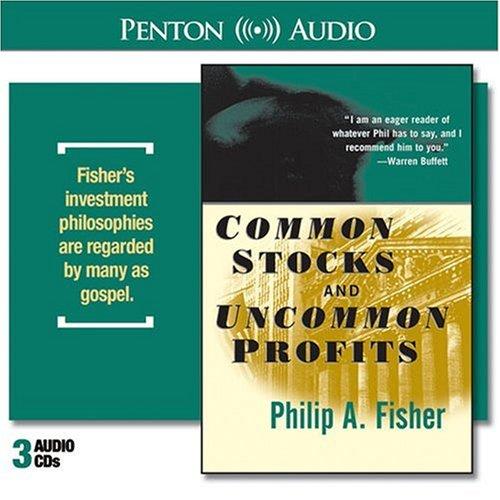
Common Stocks and Uncommon Profits · 1958
Philip Fisher's scuttlebutt method and Fifteen Points, explained
How to research a company like a detective — the qualitative playbook that shaped 15% of Warren Buffett.
Warren Buffett famously described himself as '85% Graham and 15% Fisher.' That 15% — the focus on business quality rather than just cheapness — comes largely from Philip Fisher's 1958 classic.
Scuttlebutt
Fisher's most durable contribution is a research technique he called 'scuttlebutt': instead of relying on financial statements alone, talk to a company's customers, suppliers, competitors, and former employees. The mosaic they paint reveals the durable advantages — or hidden weaknesses — that numbers alone miss.
“The business 'grapevine' is a remarkable thing.”
The Fifteen Points
Fisher also offered fifteen questions to ask about any company — covering the runway for sales growth, the depth of management, R&D productivity, profit margins, and, crucially, the integrity of the people running it. The thread through all fifteen is durability: he wanted businesses that could compound for decades, not cheap stocks to flip.
- Great research is qualitative as well as quantitative — go talk to people.
- Look for durable competitive advantages and honest management.
- The best returns come from holding exceptional businesses for years.
This is an original explainer by Value Investors Club, not the essay itself. Read Philip Fisher's original ↗.